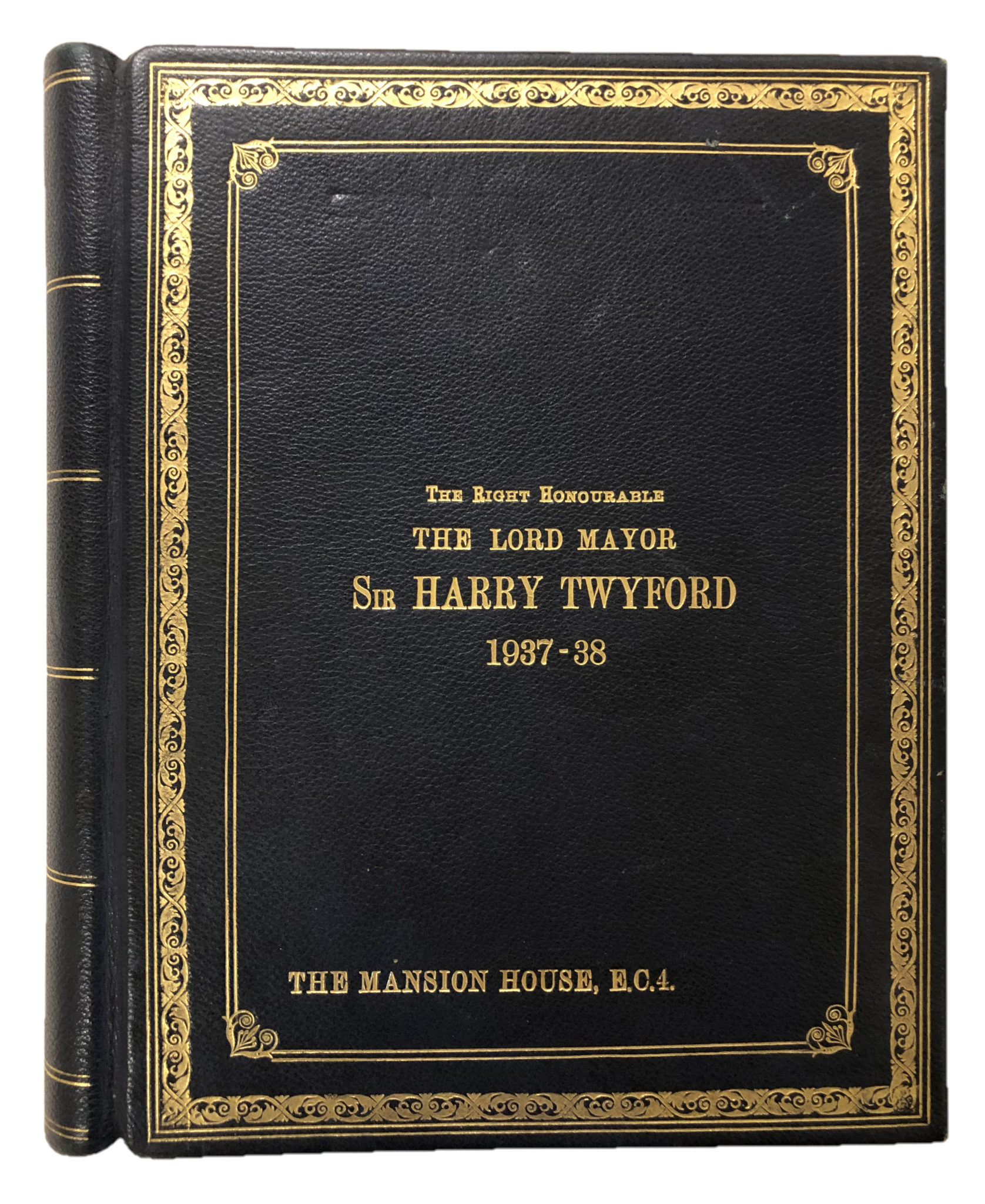
The Mansion House Guestbook 1937-1938
This month the Strutt’s North Mill’s ‘Our Favourite Things’ project continues with a unique archival item. The office of Lord Mayor of London is one of the most prestigious in the country. Since the founding of the role in 1189, its holder has been elected by the livery men of the City of London’s 110 livery companies, each representing a trade or profession within the city. One former Lord Mayor, Sir Harry Twyford, shares a link with Belper and one of the town’s best-known landmarks and some artefacts from his time in office as Lord Mayor are preserved at Strutt’s North Mill.

Sir Harry Edward Augustus Twyford wearing the regalia of Lord Mayor of London
Harry Edward Augustus Twyford was born in 1870. His uncle, Henry Robert Twyford married Helen Brettle, widow of George Brettle’s last surviving son and heir to Brettle’s hosiery business making Harry and his brother, Lionel, heirs to the company which had premises in both Belper and the City of London. Harry and his brother inherited the company in 1913 following the death of his uncle. Harry had no experience of the hosiery trade, having previously worked for Eastern Extension, Australia and China Telegraph Company in their New Zealand station. Having retired early from his overseas service Harry settled into Sunny Bank, a house at the top of Gibfield Lane in Belper in 1911, and began to become involved in the company that was to be his future inheritance. He served as a director of Brettles from 1913 and then as Chair, after the death of his brother in 1920, until his resignation in 1963.
Harry Twyford’s time in charge of Brettles was initially one of great success followed by a slow decline after World War Two. Before his time in charge of the firm Brettles had suffered from the absentee style of management of his predecessor. One of the brothers’ first acts in charge of the company was to form George Brettle & Co. Ltd in January 1914. Large government contracts during the First World War allowed the company to expand with large extensions being built onto the Belper factory and new machinery purchased. By 1919 the value of the company’s output had more than tripled from its pre-war levels. The subsequent two decades were a time of great success which saw the company become one of the largest manufacturers of hosiery in the country, employing over 1000 people in Belper in 1930.
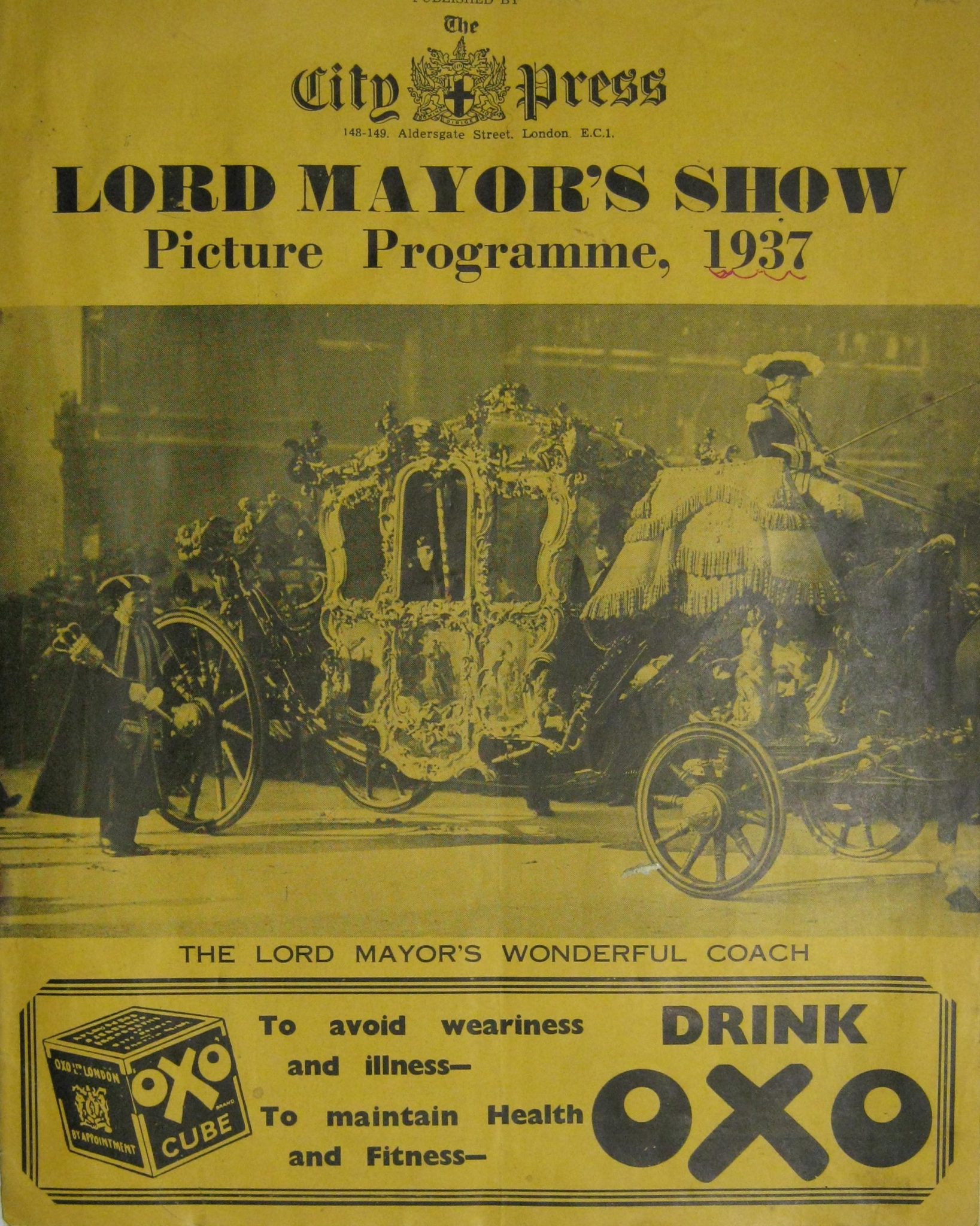
The cover from the program for the 1937 Lord Mayor’s show. This annual event marks the Lord Mayor’s inauguration ceremony with a large parade through the streets of the City of London.
In the late 1920s, Harry moved to London where the firm had its head offices at 119 Wood Street, in the City of London. Whilst continuing to oversee the running of the company he also started along the path to civic distinction, first being elected to the City of London’s Court of Common Council in 1930. Further advancement came in 1934 with his election as Sheriff of London. At the end of his term in 1935 he was knighted by King George V. in 1937 Sir Harry finally reached the peak of his civic achievements when he was elected Lord Mayor of London. One of the trappings of the role was the official residence of the Lord Mayor at Mansion House, where he hosted official events and banquets. It is the guest book for Sir Harry’s period in residence at the Mansion House that survives in the collection of Strutt’s North Mill Museum today. The book contains the signatures of the many visitors to the Mansion House during Sir Harrys time in office including King George VI and Queen Elizabeth, the princesses Elizabeth and Margaret, the Prime Minister Neville Chamberlain and famous personalities including the aviator Amy Johnson.
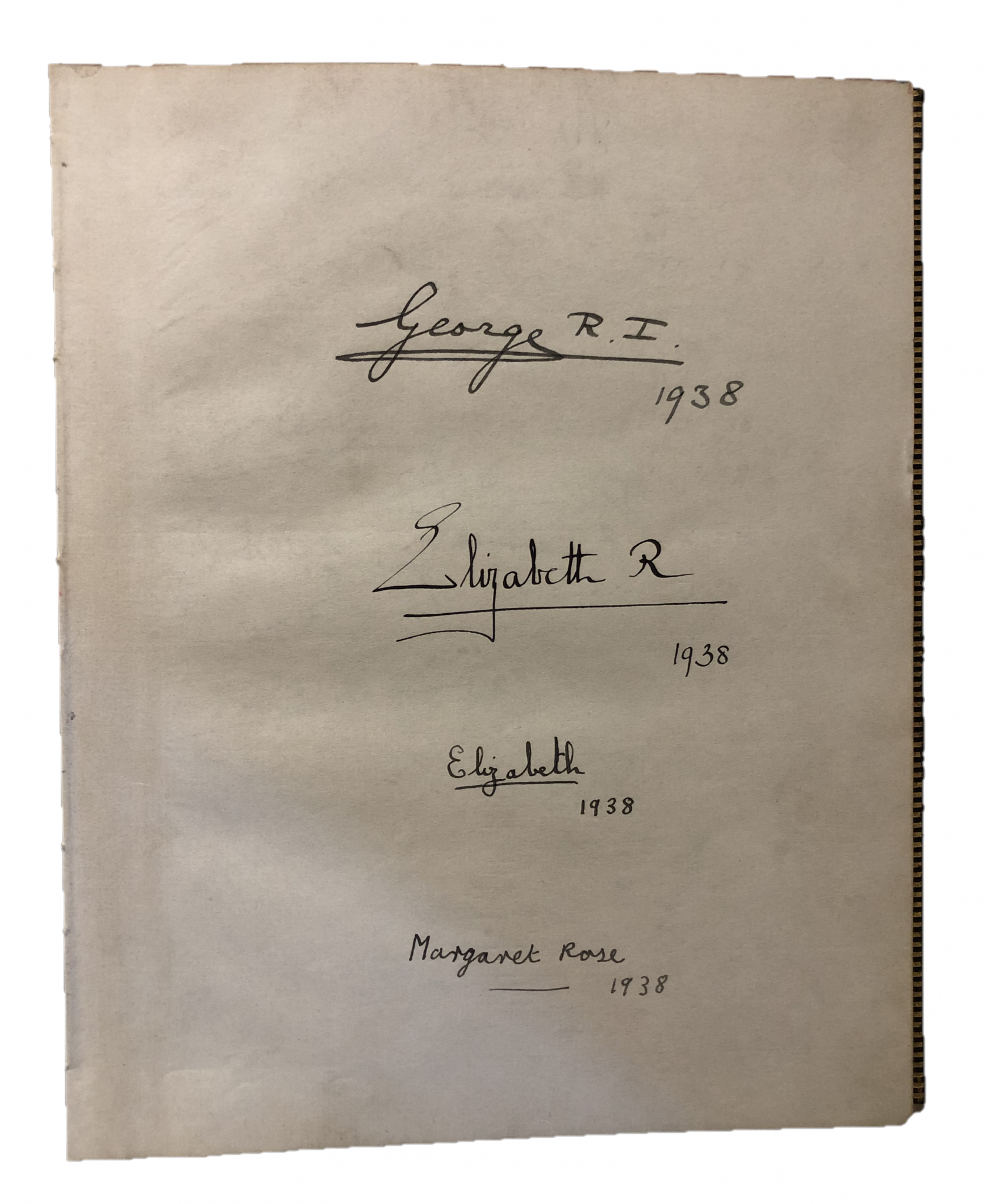
The Royal signatures: The signature of King George VI, Queen Elizebeth The Queen Mother, Princess Elizebeth and Princess Margret Rose on the first page of the guest book.
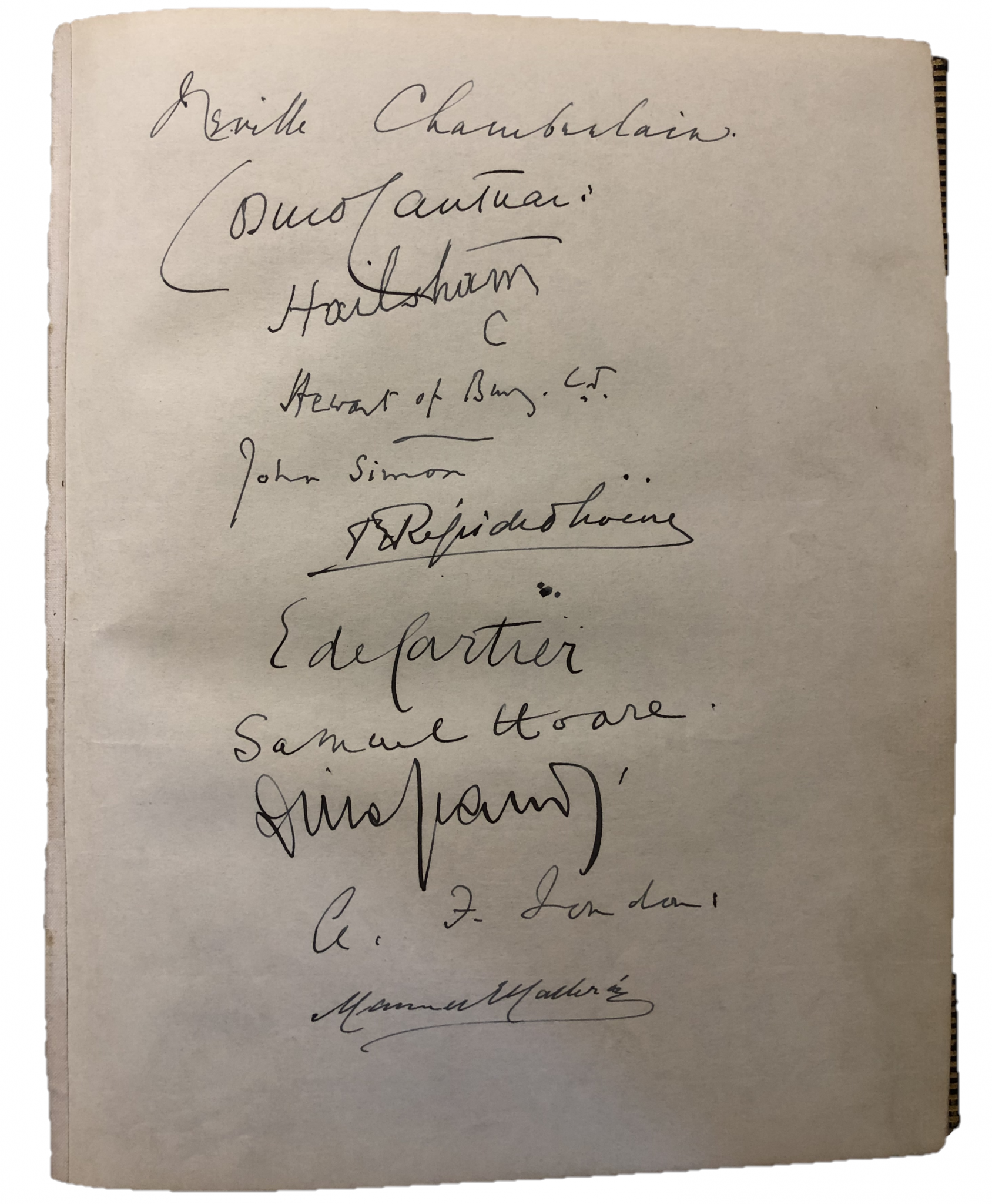
The signature of then Prime Minister Neville Chamberlin along with other prominent politicians of the 1930s.
The signatures include: Neville Chamberlin – Prime Minister, Douglas McGarel Hogg – Lord Hailsham – Lord Chancellor, Gordon Hewart – The Lord Chief Justice, Sir John Simon – Chancellor of the Exchequer, Sir Samuel Hoare – Secretary of State for the Home Department, Anthony Eden – Secretary of State for Foreign Affairs and later Prime Minster (1955 – 1957)
When asked to choose which of all the objects in the collection was their favourite, the volunteers of Strutt’s North Mill nominated this object more than any other. It offers a largely forgotten link between one of Belper’s major employers and the most prestigious role within the City of London.